Conveyancing is the legal process of transferring ownership of a property from the seller to you, and in the UK you handle it through a solicitor or licensed conveyancer. It runs alongside your mortgage application and covers everything from checking the title and ordering searches to exchanging contracts and registering you as the new owner. This guide walks through conveyancing explained in plain terms, so you know what you are paying for and what happens at each stage.
Most buyers only deal with conveyancing a handful of times in their lives, which is why the jargon feels daunting. Getting a clear picture early helps you spot delays before they derail your purchase.
What Conveyancing Is and Why You Need a Solicitor
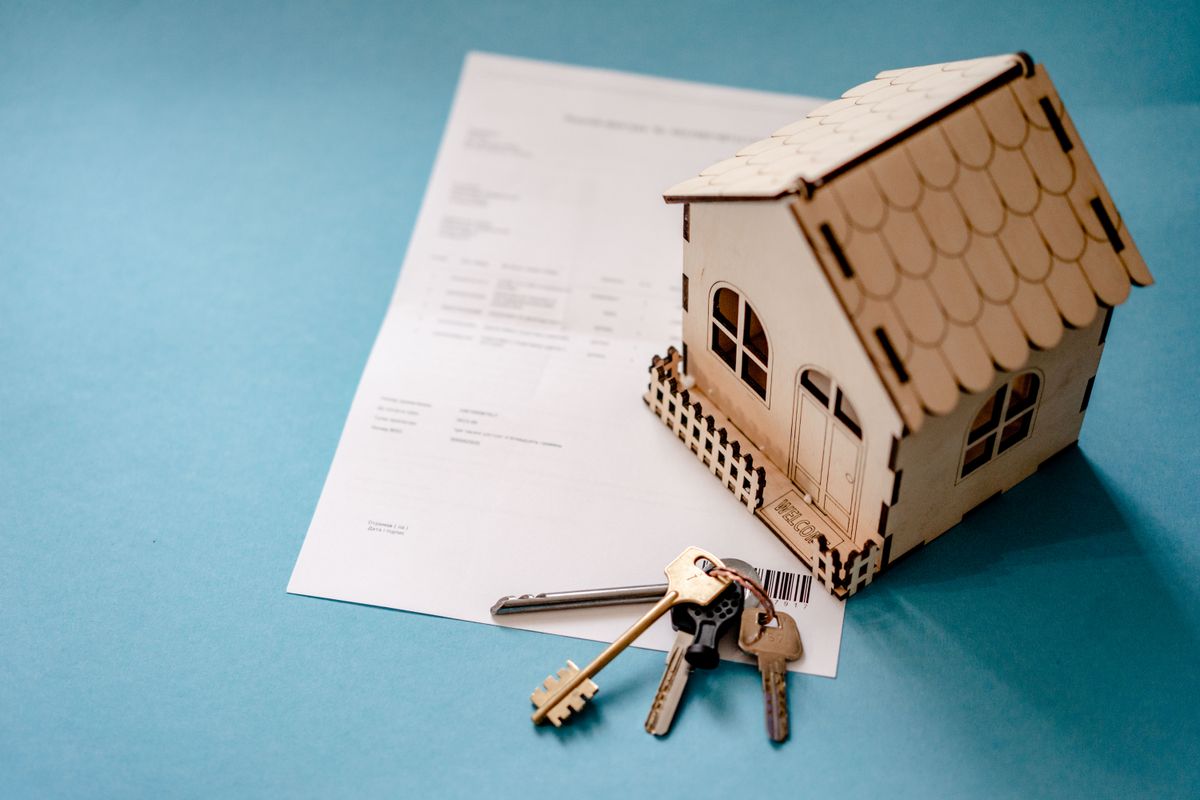
Conveyancing covers all the legal work involved in buying or selling property. Your conveyancer checks that the seller actually owns what they are selling, that there are no hidden legal problems, and that ownership passes cleanly to you once the money moves.
You are not strictly required by law to hire a professional, but in practice you will. If you buy with a mortgage, your lender insists on a qualified solicitor or licensed conveyancer to protect its stake in the property. Even cash buyers rarely go it alone, because a single missed restriction or boundary dispute can be expensive to unpick later.
There are two types of professional who do this work:
- Solicitors are fully qualified lawyers regulated by the Solicitors Regulation Authority. They can handle property work alongside other legal matters.
- Licensed conveyancers are property law specialists regulated by the Council for Licensed Conveyancers. They focus solely on property transactions.
Both are equally capable of handling a standard purchase. Price and responsiveness matter more than the job title.
The Step-by-Step Conveyancing Process From Offer to Completion
The conveyancing process follows a well-worn path. Once your offer is accepted, the stages run roughly in this order.
- Instruct your conveyancer. You confirm who will act for you and pay any upfront fee. Your conveyancer sends you identity checks and opening paperwork.
- Draft contract and title. The seller's solicitor sends a draft contract and the title documents. Your conveyancer reviews them for anything unusual.
- Searches ordered. Your conveyancer requests local authority, environmental, water and drainage searches, and any others the property needs.
- Enquiries raised. Your conveyancer asks the seller's side to clarify anything the searches or contract throw up.
- Mortgage offer received. Your lender issues a formal mortgage offer, which your conveyancer checks against the purchase terms.
- Report to buyer. Your conveyancer explains their findings and you sign the contract.
- Exchange of contracts. Both sides swap signed contracts and you pay your deposit. At this point the deal is legally binding and a completion date is fixed.
- Completion. The purchase money is transferred, ownership passes to you, and you collect the keys.
- Post-completion. Your conveyancer pays any Stamp Duty, Land Transaction Tax or Land and Buildings Transaction Tax due, then registers you as the owner with the relevant land registry.
The tax step depends on where you are buying. Rules differ across England, Wales and Scotland, so the figure varies with location. You can estimate the bill in advance with the Mortgagemetrics stamp duty calculator.
Searches, Enquiries and Surveys Explained
These three things trip up a lot of first-time buyers because they sound similar but do different jobs.
Searches
Searches are formal requests for information about the property and the land around it. The main ones are:
- Local authority search: planning history, road schemes, enforcement notices and whether the property is listed or in a conservation area.
- Environmental search: flood risk, contaminated land and ground stability.
- Water and drainage search: whether the property connects to public sewers and mains water.
Your lender will usually require these before releasing funds. According to the HomeOwners Alliance, searches typically cost between £250 and £450 in total.
Enquiries
Enquiries are questions your conveyancer raises with the seller's solicitor based on the contract, title and search results. A classic example is asking for proof that a loft conversion had building regulations approval. Enquiries are often where transactions slow down, because every question has to be passed along the chain and answered.
Surveys
A survey is separate from the legal work and is arranged by you, not your conveyancer. It assesses the physical condition of the building: damp, structural movement, roof problems and so on. A mortgage valuation is not a survey. If you want real peace of mind on an older property, pay for a proper homebuyer report or building survey.

Typical Conveyancing Fees and Disbursements
Conveyancing costs split into two parts: the conveyancer's own fee for their time, and disbursements, which are payments they make to third parties on your behalf.
The HomeOwners Alliance puts the average conveyancing fee for buyers at around £1,509 including disbursements and VAT. Selling is cheaper, averaging about £929, because there are fewer searches and checks involved. Leasehold properties tend to cost roughly £300 more than freehold ones, because the lease itself has to be reviewed.
Common disbursements include:
- Searches: around £250 to £450.
- Land Registry registration fee: roughly £150 to £300, depending on the property price.
- Bank transfer fee: a small charge for moving the completion funds.
- Property tax: Stamp Duty, Land Transaction Tax or Land and Buildings Transaction Tax, which your conveyancer pays on your behalf.
Property tax is often the largest single cost and it has nothing to do with your conveyancer's skill. Budget for it separately and check whether any first-time buyer relief applies before you commit.
How Long the Conveyancing Process Usually Takes
The HomeOwners Alliance reports that conveyancing typically takes 12 to 16 weeks from the point your offer is accepted to completion. A straightforward purchase with no chain can move faster. A long chain, a leasehold flat or a problem uncovered by searches can push it well beyond four months.
Delays are common rather than rare. The HomeOwners Alliance notes that around 115,000 home moves are delayed each year because funds do not arrive on time, and more than 20,000 are cancelled altogether. Roughly one in four buyers in a chain reports problems on moving day. Those numbers are a reminder to keep momentum up and have contingency plans for completion day.
Tips to Avoid Delays and Keep Your Purchase on Track
Much of what slows conveyancing down is outside your control, but plenty is within it.
- Line up your mortgage early. Have your agreement in principle ready and respond to your lender's requests the same day where you can.
- Reply to your conveyancer fast. Identity checks, signed forms and queries all stall the file until you act. Keep documents to hand.
- Instruct a conveyancer before your offer is accepted. Choosing a firm in advance means work can start the moment a seller says yes.
- Be honest about your budget and timeline. Surprises about affordability late in the process are a common cause of collapse. The Mortgagemetrics borrowing guide helps you set realistic numbers early.
- Chase politely but regularly. A short weekly check-in with your conveyancer keeps your file near the top of the pile without souring the relationship.
- Expect the unexpected on a chain. The more parties involved, the more points of failure. Keep communication open with your estate agent so you hear about problems early.

Once you understand the stages, conveyancing stops feeling like a black box. Your next concrete step is to get two or three quotes from solicitors or licensed conveyancers now, before you make an offer, so you can instruct the moment a seller accepts and avoid losing days at the start.